
Cat Vaccinations by Life Stage: A Clear Schedule for Kittens and Adult Cats
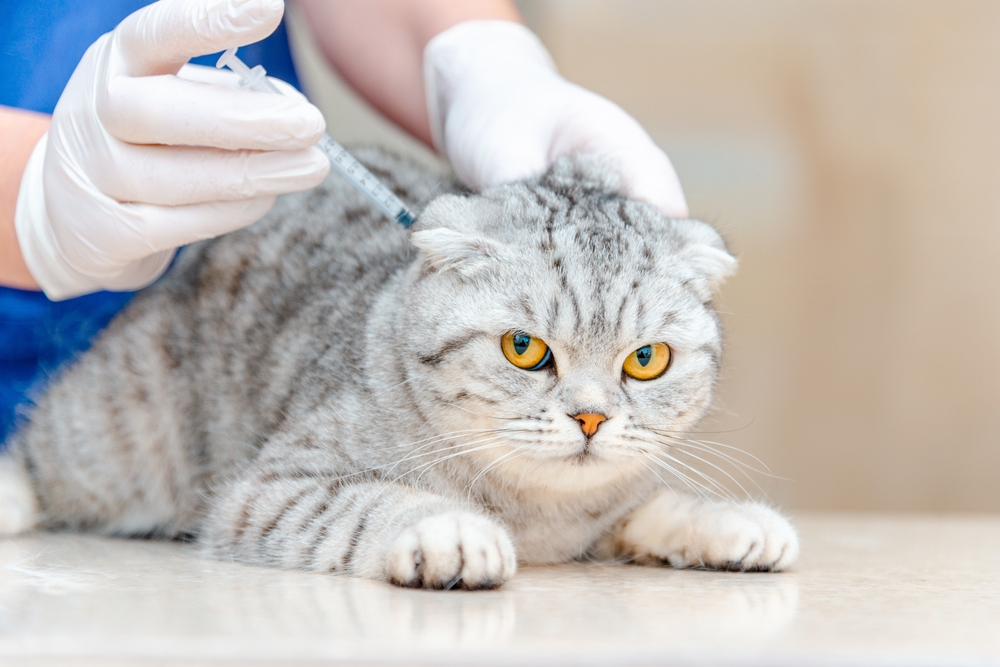
Cats are masters at hiding illness, which is one reason preventive care matters so much. Vaccines are a cornerstone of that care because they help protect cats from serious infections that can spread quickly or cause lifelong health problems. At Eascor Animal Hospital, we tailor cat vaccinations to your cat’s age, health, and lifestyle, including whether your cat lives strictly indoors, spends time outdoors, or falls somewhere in between. The right plan supports your cat’s long-term well-being while keeping each visit focused and purposeful.
Vaccination is not about doing everything for every cat. It is about making smart, individualized choices. Below is a practical guide to cat vaccine schedules and the vaccinations that are uniquely important for feline patients.
What Cat Vaccinations Protect Against
Cat vaccinations train the immune system to recognize specific viruses and bacteria so the body can respond faster and more effectively if exposure occurs. Some diseases are widespread and highly contagious, while others are linked to lifestyle risks, such as outdoor access or exposure to unknown cats.
Most feline vaccines fall into two categories: core and lifestyle-based. Core cat vaccinations are recommended for nearly all cats because the diseases are common, severe, or easily transmitted. Lifestyle-based vaccines are recommended when a cat’s environment increases exposure risk.
Common core vaccines for cats include:
- FVRCP, a combination vaccine that protects against feline viral rhinotracheitis, calicivirus, and panleukopenia.
- Rabies, which is fatal and can be transmitted to people.
The FVRCP vaccine is often thought of as the feline equivalent of a basic “starter” vaccine because it helps protect against respiratory viruses and panleukopenia, a highly contagious disease that can be devastating in kittens and unvaccinated cats.
Lifestyle-based cat vaccinations may include:
- FeLV, the feline leukemia virus vaccine, recommended for kittens and for cats with exposure risk.
- Other vaccines may be considered in specific situations, based on a cat’s health, travel history, or household dynamics.
Because cats can be very different in how they live, vaccine recommendations are often guided by practical questions about exposure, not just by age.
Cat Vaccine Schedules for Kittens, Adults, and Senior Cats
A good vaccine schedule is built around how a cat’s immune system develops. Kittens receive some protective antibodies from their mother, but that early protection fades over time. Vaccine series are designed to support immunity as maternal antibodies decline.
Kittens generally begin vaccines around six to eight weeks of age. Boosters are given every three to four weeks until at least sixteen weeks of age. This timing improves the chance that vaccines “take” at the right moment and build durable protection.
A typical kitten schedule often looks like this:
- Six to eight weeks: first FVRCP.
- Ten to twelve weeks: booster FVRCP and discuss FeLV based on lifestyle and future risk.
- Fourteen to sixteen weeks: final FVRCP in the kitten series, plus rabies when appropriate, and additional FeLV if recommended.
- One year later: boosters for core vaccines and any lifestyle vaccines based on risk.
After the one-year booster, adult cat vaccination schedules depend on health status, exposure, and the type of vaccine used. Many adult indoor cats continue on a routine that supports protection without unnecessary frequency. Cats with outdoor access, frequent travel, grooming visits, or exposure to new cats may benefit from a more robust plan.
Senior cats are a special group because vaccine planning should reflect overall health and comfort. Age alone does not automatically mean fewer cat vaccinations, but conditions such as kidney disease, hyperthyroidism, or immune system changes may influence timing. Our goal is steady protection while also being thoughtful about what your cat truly needs.
If your cat’s vaccine history is uncertain, do not worry. We can review records, discuss risk, and help you get back on track with a catch-up schedule that makes sense.
Vaccinations That Are Unique to Cats
Cats face diseases and lifestyle risks that are distinct from dogs, so feline vaccination is not just a smaller version of a canine plan. Several vaccines are particularly important in cats, and some are uniquely tied to feline-specific infections.
FVRCP is central to feline preventive care. Upper respiratory infections in cats can spread rapidly, especially in multi-cat homes or in situations where cats have contact with other cats. While many respiratory infections can be mild, they can also be serious, especially for kittens, seniors, or cats with underlying disease. Panleukopenia, another component of FVRCP, is a severe and sometimes fatal viral disease. It can also persist in the environment, which means exposure can happen even without direct cat-to-cat contact.
FeLV vaccination is another key feline-specific topic. Feline leukemia virus is spread primarily through close contact with infected cats, such as grooming, shared food bowls, bite wounds, or living together. FeLV can suppress the immune system and increase the risk of secondary infections and certain cancers. Because kittens are more vulnerable to infection, FeLV vaccination is often recommended for kittens, even if they are expected to be indoor cats. Plans can change as cats grow and lifestyles evolve, so we reassess FeLV risk over time.
Rabies vaccination is also critical. Even indoor cats can be exposed through an open door, a bat in the house, or unexpected contact with wildlife. Rabies is fatal, and prevention protects both your cat and your household. We will guide you on the appropriate schedule based on your cat’s age and local requirements.
Another feline-specific consideration is that cats can be more sensitive to stress and change. For vaccine visits, we focus on gentle handling and a calm environment. If your cat gets anxious during travel or exams, let us know. Simple steps, such as carrier training, calming strategies, and scheduling advice, can make vaccine visits smoother for everyone.
How Eascor Animal Hospital Personalizes Cat Vaccinations
At Eascor Animal Hospital, we start by looking at the cat in front of us, not a generic template. We ask about indoor versus outdoor access, household size, and exposure to new cats. We also ask about boarding, travel, and whether your cat has ever slipped outside. Cats are curious and fast, and even cautious families can have a surprise escape. These details help us recommend the right cat vaccinations without overvaccinating.
We also consider overall health. A cat with chronic disease may still need vaccines, but the schedule and approach can be adjusted. If your cat has had a vaccine reaction in the past, we take that history seriously and plan carefully. In some cases, we may recommend spacing vaccines, monitoring closely after vaccination, or choosing products that fit your cat’s needs.
It is also important to understand that vaccines work best as part of a larger prevention plan. Parasite prevention, dental care, nutrition, and routine wellness exams all support a healthier immune system. Vaccines reduce the risk of infection and often reduce the severity of disease if exposure occurs, but they cannot replace basic preventive habits and regular veterinary care.
If you have recently adopted a cat, brought home a kitten, or introduced a new cat to your household, vaccination planning becomes even more important. We can help you build a timeline that fits your schedule and your cat’s comfort, while also supporting safe integration in a multi-cat environment.
Cat vaccinations are one of the simplest ways to protect your cat’s long-term health, whether your cat is a playful kitten, a confident adult, or a cherished senior. If you have questions about vaccine timing, FeLV risk, or the right plan for an indoor or outdoor lifestyle, contact Eascor Animal Hospital. We will help you choose cat vaccinations that match your cat’s needs and keep preventive care clear, practical, and stress-aware.