
Understanding Dog Vaccinations: Core Protection and Lifestyle Vaccines
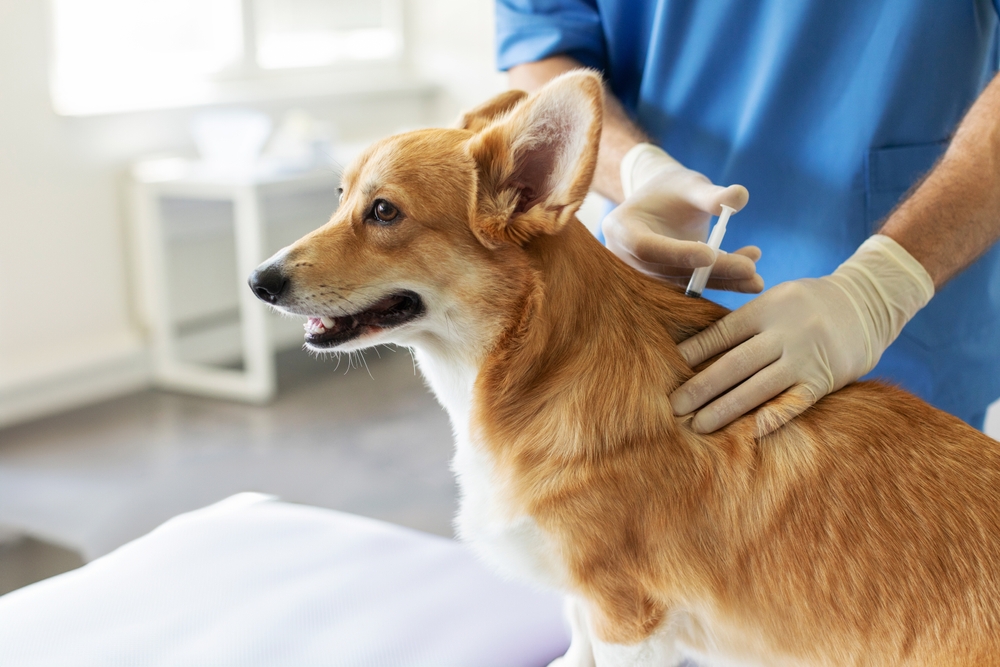
Keeping your dog healthy is not only about good food and daily exercise. Preventive care matters, too, and vaccines are one of the most effective tools we have. At Eascor Animal Hospital, we build dog vaccinations around your dog’s age, lifestyle, and risk factors, not a generic checklist. A puppy who visits dog parks every week needs a different plan than a homebody adult dog. A boarding schedule, a hiking habit, and even local wildlife can influence what protection makes sense.
The goal is simple: protect your dog from serious, preventable diseases while avoiding unnecessary vaccines. Below is a clear, practical guide to dog vaccine schedules, along with the vaccinations that are specific to dogs and commonly recommended based on real-world exposure.
What Dog Vaccinations Protect Against
Dog vaccinations work by training the immune system to recognize and fight specific infections. Some of these diseases spread easily from dog to dog, while others are carried by wildlife or found in the environment. Many of the illnesses prevented by vaccines can cause severe suffering, long recoveries, and in some cases, death. Vaccines also help protect the larger community of pets by reducing the spread of contagious disease.
Most vaccine plans are built around two categories: core and lifestyle-based. Core dog vaccinations are recommended for nearly all dogs because the diseases are widespread, highly contagious, or dangerous. Lifestyle-based vaccines are recommended when a dog’s environment or activities increase exposure risk.
Common core vaccines for dogs include:
- Rabies, a fatal virus that affects the nervous system and can be transmitted to people.
- Distemper, a severe viral disease that can affect the respiratory, gastrointestinal, and nervous systems.
- Parvovirus, a highly contagious virus that causes severe vomiting and diarrhea, especially dangerous for puppies.
- Adenovirus, which can cause infectious hepatitis and other serious illness.
Many practices administer these core diseases in combination vaccines for convenience and consistency. Even when given as a combo, each component is chosen for a reason, and timing matters for strong protection.
Lifestyle-based dog vaccinations may include:
- Bordetella, a key contributor to kennel cough.
- Leptospirosis, a bacterial disease often linked to wildlife urine and contaminated water.
- Canine influenza, a contagious respiratory virus that can spread rapidly in group settings.
- Lyme disease, a tick-borne illness that can affect joints and, in some cases, kidneys.
Not every dog needs every lifestyle vaccine, but many dogs benefit from one or more, depending on where they go and what they do.
Dog Vaccine Schedules for Puppies, Adults, and Seniors
Vaccine timing is not arbitrary. Puppies start with protection from their mother, but that protection fades. Vaccines are scheduled in a series so the immune system can respond reliably as maternal antibodies decline.
A typical puppy series often begins around six to eight weeks of age and continues every three to four weeks until at least sixteen weeks of age. This schedule supports consistent coverage during a vulnerable stage of life. While every dog is an individual, many puppies follow this general pattern:
- Six to eight weeks: first distemper combination vaccine.
- Ten to twelve weeks: booster distemper combination and consider lifestyle vaccines if risk is present.
- Fourteen to sixteen weeks: final distemper combination in the puppy series, plus rabies when appropriate.
- One year later: booster for core vaccines, and any lifestyle vaccines based on exposure.
Why so many boosters early on? Because maternal antibodies can block an early vaccine response. Boosters increase the chance that at least one dose is received when the puppy’s immune system is ready to develop long-term protection.
For adult dogs, schedules depend on vaccine type and risk. Many core vaccines are boosted at one year, then continued at intervals based on veterinary guidance and local requirements. Lifestyle vaccines such as Bordetella or leptospirosis may be recommended annually, or sometimes more frequently, depending on exposure. Dogs that board, attend daycare, visit groomers, or participate in training classes may need certain vaccines on a set timetable to keep access to those services.
For senior dogs, the conversation often becomes more nuanced. Age alone does not automatically reduce the need for dog vaccinations, but underlying conditions can influence planning. Older dogs may have chronic disease, changes in immune response, or medication regimens that require thoughtful timing. Our approach at Eascor Animal Hospital is to keep protection strong while being mindful of the whole patient. When a senior dog is stable and active, vaccines can remain an important part of wellness.
Vaccinations That Are Unique to Dogs
Some vaccines are given to multiple species, but several common vaccines are specifically associated with canine protection. Understanding these dog-focused options can help you make confident choices for your pet.
Bordetella is often discussed as a kennel cough vaccine. Kennel cough is not a single disease, but a syndrome caused by multiple organisms. Bordetella bronchiseptica is one of the most common contributors. Dogs can pick it up anywhere dogs gather, including boarding facilities, daycares, training classes, parks, and even busy sidewalks. If your dog participates in group settings, Bordetella vaccination is often recommended.
Canine influenza is another vaccine that is unique to dogs and most relevant to dogs who have frequent contact with other dogs. Outbreaks can occur in communities, shelters, and group care settings. Symptoms may resemble other respiratory illnesses, which is why prevention can be helpful for at-risk dogs.
Leptospirosis deserves special attention because it is often misunderstood. It is caused by bacteria shed in urine from wildlife and infected animals, and it can spread through puddles, damp soil, and standing water. Dogs do not have to swim in lakes to be exposed. Even a backyard with frequent wildlife visitors can be a risk. Leptospirosis can cause serious kidney or liver disease. It is also considered a zoonotic disease, meaning it can pose a risk to people, so prevention supports the entire household.
Lyme disease vaccination is considered when dogs face consistent tick exposure. Ticks can be found in wooded areas, tall grass, and even suburban yards. Prevention typically involves both tick control products and, in some cases, vaccination. For dogs who hike, camp, or spend time in areas with significant tick activity, we may discuss whether Lyme vaccination is appropriate.
Finally, while not unique to dogs as a concept, rabies vaccination requirements and scheduling are typically discussed most often for canine patients because of local laws and the role dogs play in community exposure. Rabies is always taken seriously, and we follow guidance to keep your dog protected and compliant.
How Eascor Animal Hospital Personalizes Dog Vaccinations
There is no perfect schedule that fits every dog, because exposure is not the same for every family. At Eascor Animal Hospital, we start by asking practical questions. Does your dog board or attend daycare? Do you visit dog parks? Do you hike on trails or spend time near lakes and ponds? Are there raccoons, skunks, or deer around your home? Is your dog a social butterfly or more of a home companion?
We also consider health status. A dog with a history of vaccine sensitivity may need adjustments. A dog with certain chronic conditions may benefit from a carefully timed plan. We aim for protection without overdoing it, and we keep the process straightforward for you.
It also helps to understand what vaccines can and cannot do. Dog vaccinations are a powerful preventive tool, but they work best as part of a complete wellness plan. Parasite prevention, nutrition, dental care, exercise, and routine exams all support a strong immune system. Vaccines reduce the likelihood of infection and, in many cases, reduce severity if exposure occurs. They do not replace good hygiene, safe socialization practices, or parasite control.
If you are unsure what your dog has received, do not worry. We can review records, identify gaps, and create a clear path forward. If your dog is overdue, we can guide you on how to catch up safely. If you have a new puppy, we can outline each visit so you know what to expect.
Dog vaccinations protect your dog at every life stage, from puppyhood through the senior years. They reduce the risk of serious illness and help keep the dog community healthier overall. If you would like help choosing the right dog vaccinations for your pet, contact Eascor Animal Hospital. We will review your dog’s lifestyle, explain the schedule, and build a plan that fits your family and your dog’s daily life.