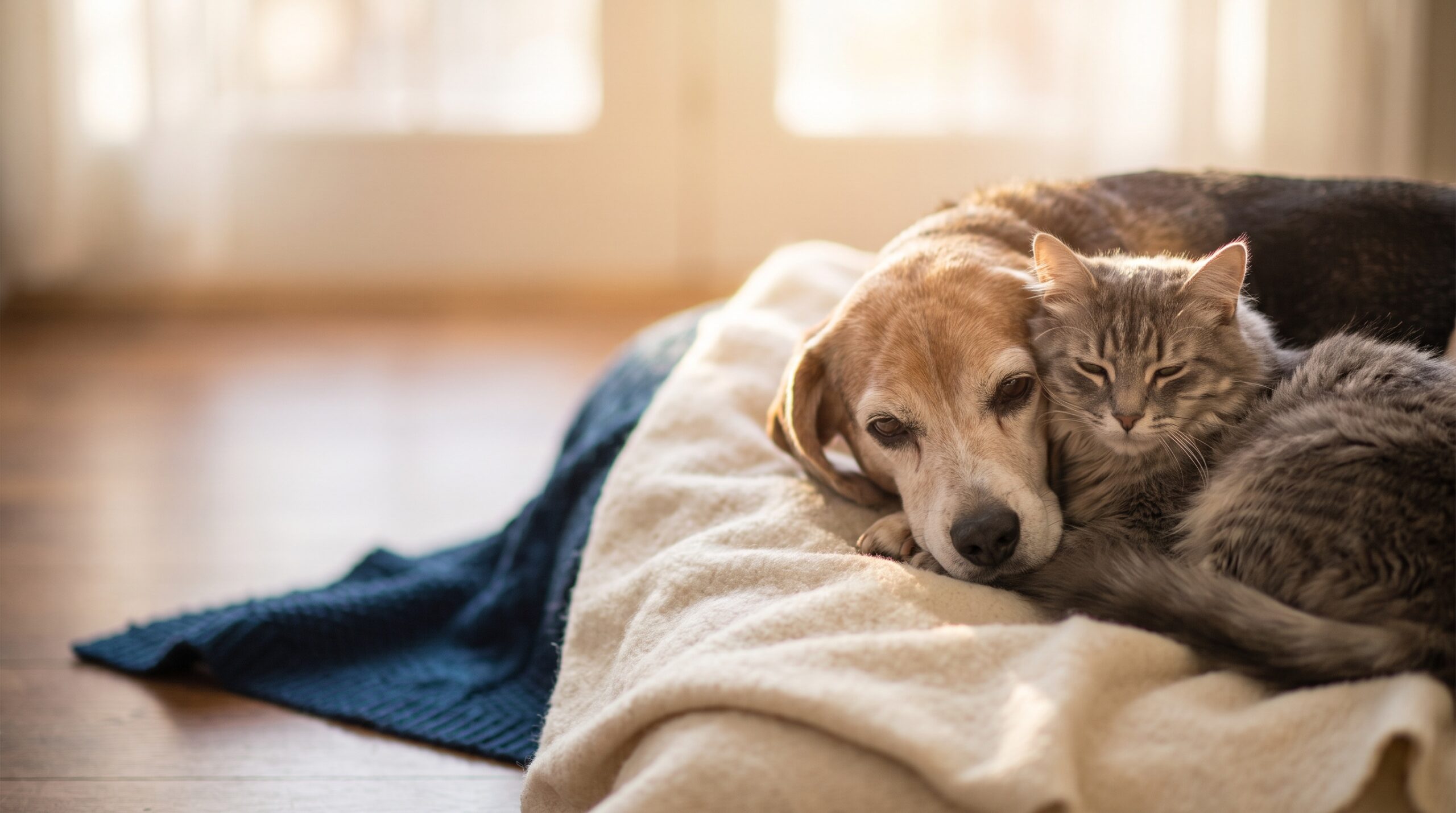
Senior pet quality-of-life consultation
The Appointment for the Question You Can't Quite Say Out Loud
A visit at our Flint hospital, set aside to talk through how your senior dog or cat is really doing. Nobody here will steer you toward one answer, and booking it doesn't commit you to anything.
Most families carry the same two worries at once. One is acting too soon and stealing good time that was still there. The other is waiting too long and letting a pet you love be uncomfortable because you weren't ready. Both of those fears are normal, and you are not being dramatic for having them.
This is the appointment for exactly that. Not a goodbye — a chance to look closely at your older pet and tell you honestly what we see. Plenty of families come in, make a few changes, and go home with a plan and a date to check again.
Prefer to talk it through first? Our team is happy to answer your questions before you book.

How this appointment works
What a Quality-of-Life Consultation Is — and What It Isn't
A different agenda: your pet's comfort as a whole.
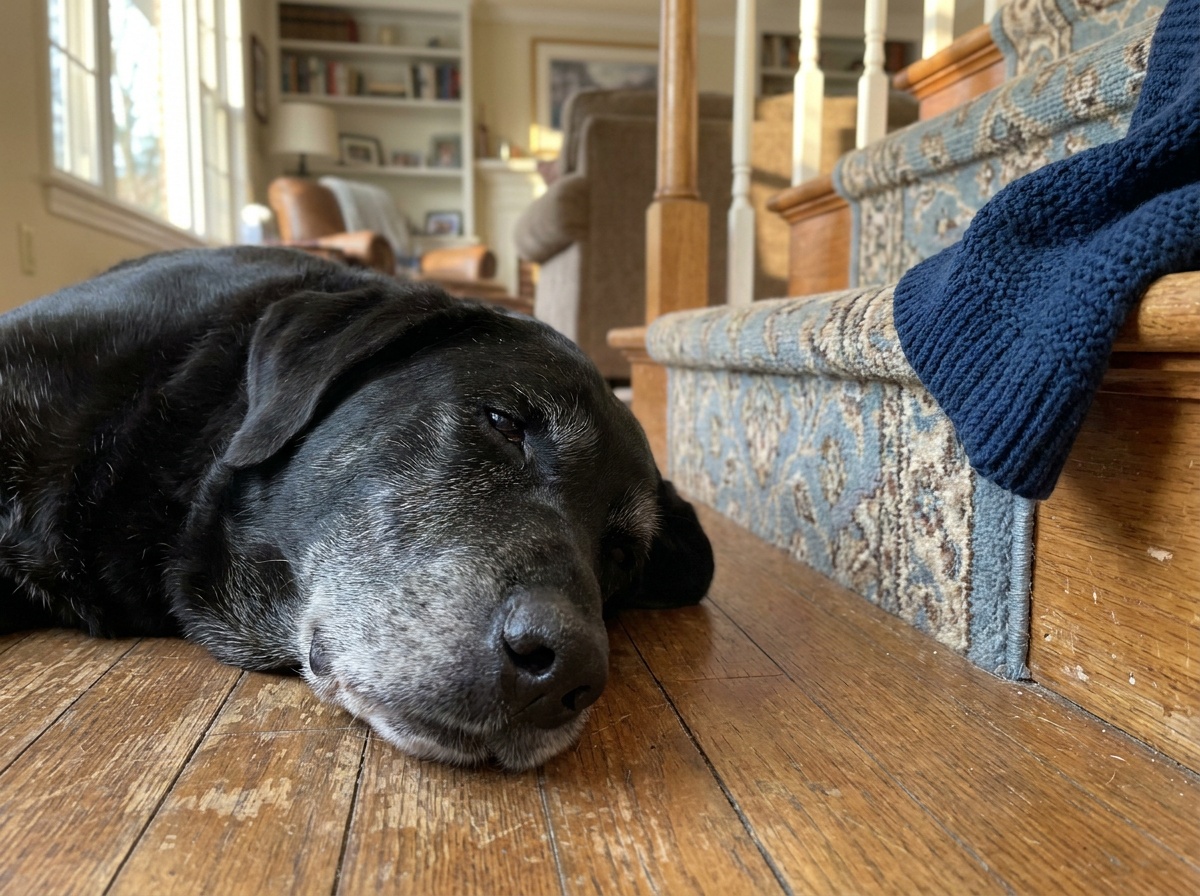
A normal appointment usually has one job: a limp, an ear, a cough. This one has a wider job. The subject is your pet's comfort as a whole — how she sleeps, how she eats, how she gets up off the floor, and whether the hard days are starting to outnumber the easy ones. The conversation isn't the part that happens after the exam. The conversation is the point.
If your pet has been seen here before, today's findings can be compared with her own earlier results.
This appointment sits inside the wider picture of senior pet care in Flint, MI, and it is an in-hospital visit. It is not a euthanasia appointment, and it is not a sales conversation. No outcome is decided before you walk in.
How we look at it together
The Seven Things We Look At Together
A shared language for the conversation — not a verdict on your pet.
Veterinary oncologist Dr. Alice Villalobos developed a widely used caregiver tool, often written as HHHHHMM, that scores seven factors from 0 to 10 each. Published guidance treats a total above 35 out of 70 as generally acceptable quality of life. Read that number gently: the sources that publish it say the same thing we will say in the room — the trend across several weeks tells you far more than any single day's score, and one very low category, especially pain or breathing, outweighs a total that looks comfortable on paper.
-
Hurt — pain and breathing
Published guidance puts this first: is pain genuinely controlled, and is breathing easy at rest? Dogs and cats are good at hiding discomfort. At home it often shows up as panting on a cool evening, flinching when you touch a hip, or a pet who stops settling into her old favourite spot. Some of the quieter signs of pain in dogs are easy to mistake for simple ageing.
-
Hunger, Hydration and Hygiene
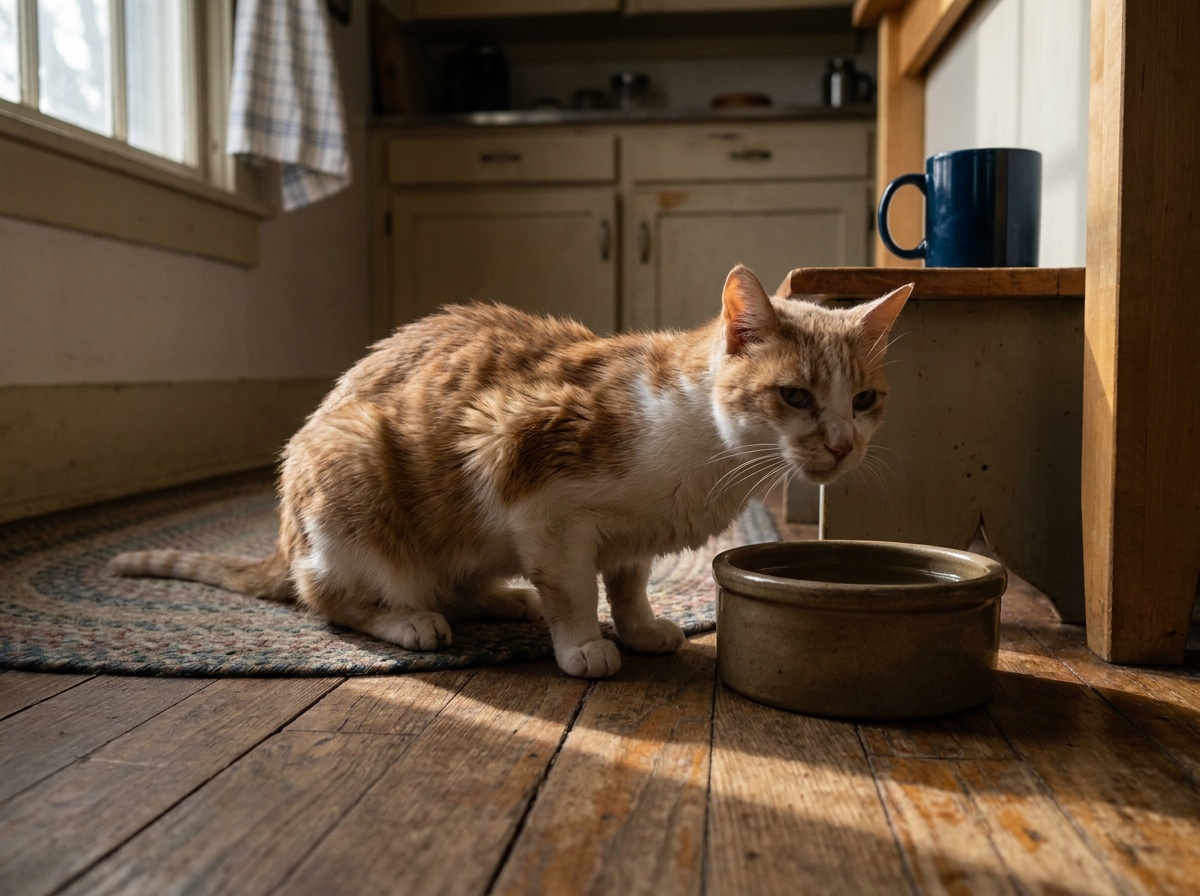
Is she eating willingly, or only when you hand-feed and coax? Is she drinking enough to stay hydrated? And can she still keep herself clean and dry? At home this looks like a bowl left half full, a cat who has stopped grooming her back end, or bedding that needs changing more often than it used to.
-
Mobility
Can he get up on his own, reach the water bowl, and get outside to toilet without being carried? Watch the small things: scrabbling on the kitchen floor, hesitating at the back step, or sleeping where he lands instead of following you room to room. Joint support for older dogs often changes this one more than families expect.
-
Happiness and More Good Days Than Bad
Is she still interested in the people, places and routines she always cared about — the door, the leash, your lap? And across the last month, did the good days still outnumber the hard ones? Pacing or restless at night behaviour is one of the most common things families bring to us here.
We walk through these with you, alongside your pet's own chart and earlier numbers — so the picture is a comparison, not a first impression.
What Happens in the Room — and What to Bring
Start to finish, so nothing about the visit is a surprise.
The first part is you talking and us listening: what you've been seeing at home, what's changed since the spring, what worries you at two in the morning.
Then comes a careful hands-on exam, aimed squarely at comfort rather than at one presenting complaint — pain response, joints and gait, breathing at rest, hydration, body condition and the mouth, which is a frequent source of quiet misery in older pets. Depending on what we find, we may suggest bloodwork or an x-ray. The reason is always the same: to find out whether something treatable is hiding underneath what looks like plain old age. Anything we recommend is explained and agreed with you before it happens.
If tests would help, our pet diagnostic services and radiology pages explain what each one involves. Where we already have earlier panels — often from a senior wellness exam — we line today's results up against your pet's own history and talk them through with you.
To get the most out of the visit, bring four things:
What to bring with you
- A simple good-day / hard-day record from the last two to four weeks — a paper calendar with two kinds of marks is plenty.
- Every medication and supplement, including anything bought over the counter. Please don't start something new for an older pet before an exam.
- The family members who'll be part of the decision, so everyone hears the same information at the same time.
- Phone videos of your pet walking, rising or breathing while asleep. Pets behave differently in a clinic, and video often shows us what the exam room hides.
How the visit ends
Three Honest Paths, and Nobody Here Picks One For You
Families leave this visit in one of three directions. All three are legitimate.
Path one
More good time, with the plan changed
The first is more good time, with the plan changed. We review pain management against what today's exam and bloodwork actually show, look at weight and diet, and talk about the practical things that make a house easier for an old dog — traction on slick floors, a ramp at the back step, a bed that's easier to get out of. Then we set a date to look again. Many families book this appointment expecting the worst and walk out on this path. Coming in early is not the same as giving up.
Path two
Comfort care at home
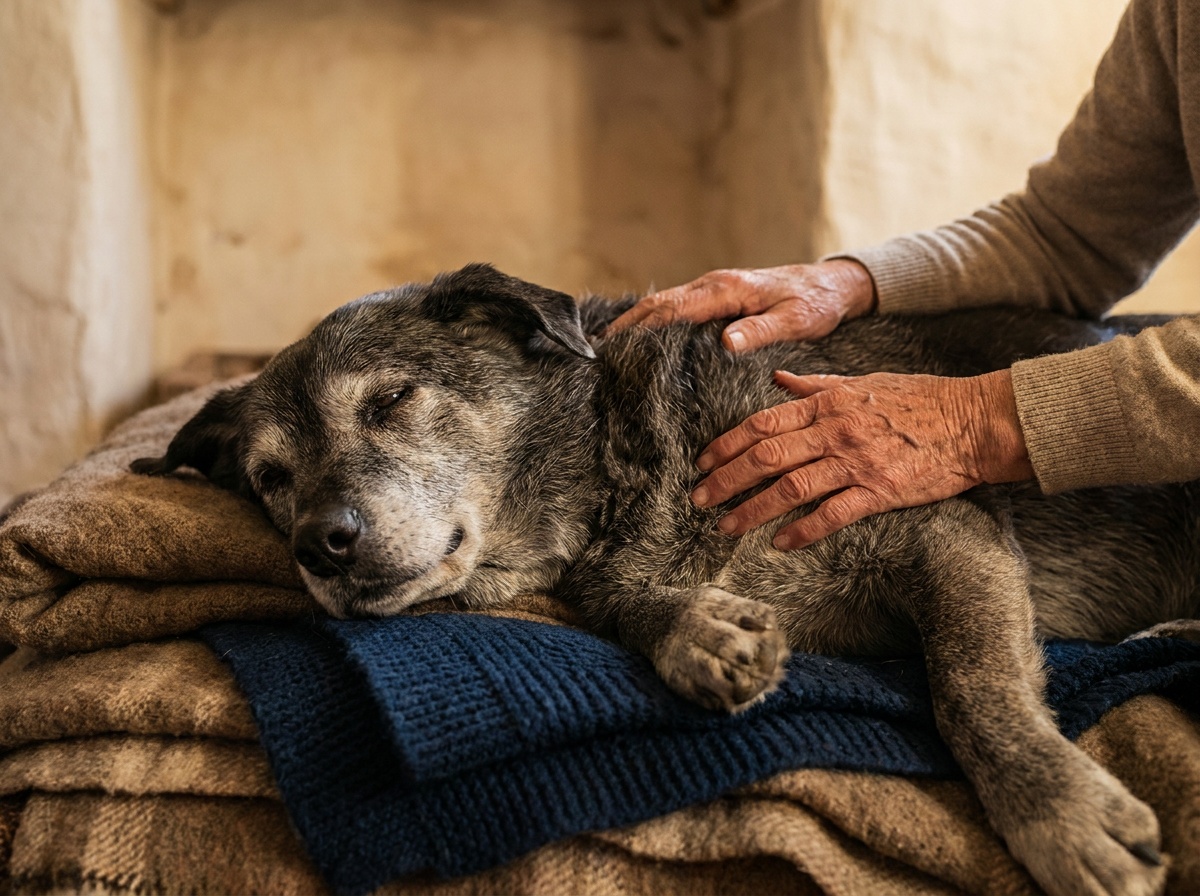
The second is comfort care. Here the goal shifts: instead of chasing the underlying disease, we focus on protecting comfort, appetite, hydration, rest and dignity, with your pet at home among her own people and her own smells. We'll show you what to watch for and stay in touch as things change.
Path three
Support through saying goodbye
The third is support through saying goodbye, whenever your family is ready. We won't dwell on it here. It is enough to say that we will be with you for it, gently, and that you will not have to organise it alone.
Individual results vary by patient. No treatment outcome is guaranteed. What we can promise is honesty — we'll tell you plainly what we see clinically, and then the decision stays with your family. There is no single right day, and we will not make that call for you.
How it works
Let's Sit Down With Your Old Friend
Whether you think you're early or you think you're late, you're welcome here — and the visit commits you to nothing.
We treat your pets like family, and that includes the quiet part of their care. Book online, or call us and we'll find a time.
This article is for general educational purposes and is not a substitute for examination, diagnosis, or treatment by a licensed veterinarian.
Eascor Animal Hospital is closed Wednesday and Sunday. For after-hours emergencies, contact a 24-hour emergency veterinary facility.