Senior cat care in Flint
Senior Cat Wellness Exams and Kidney Screening in Flint, MI
Your cat's exam, bloodwork and urinalysis happen in one scheduled appointment — with the results talked through before you head home.
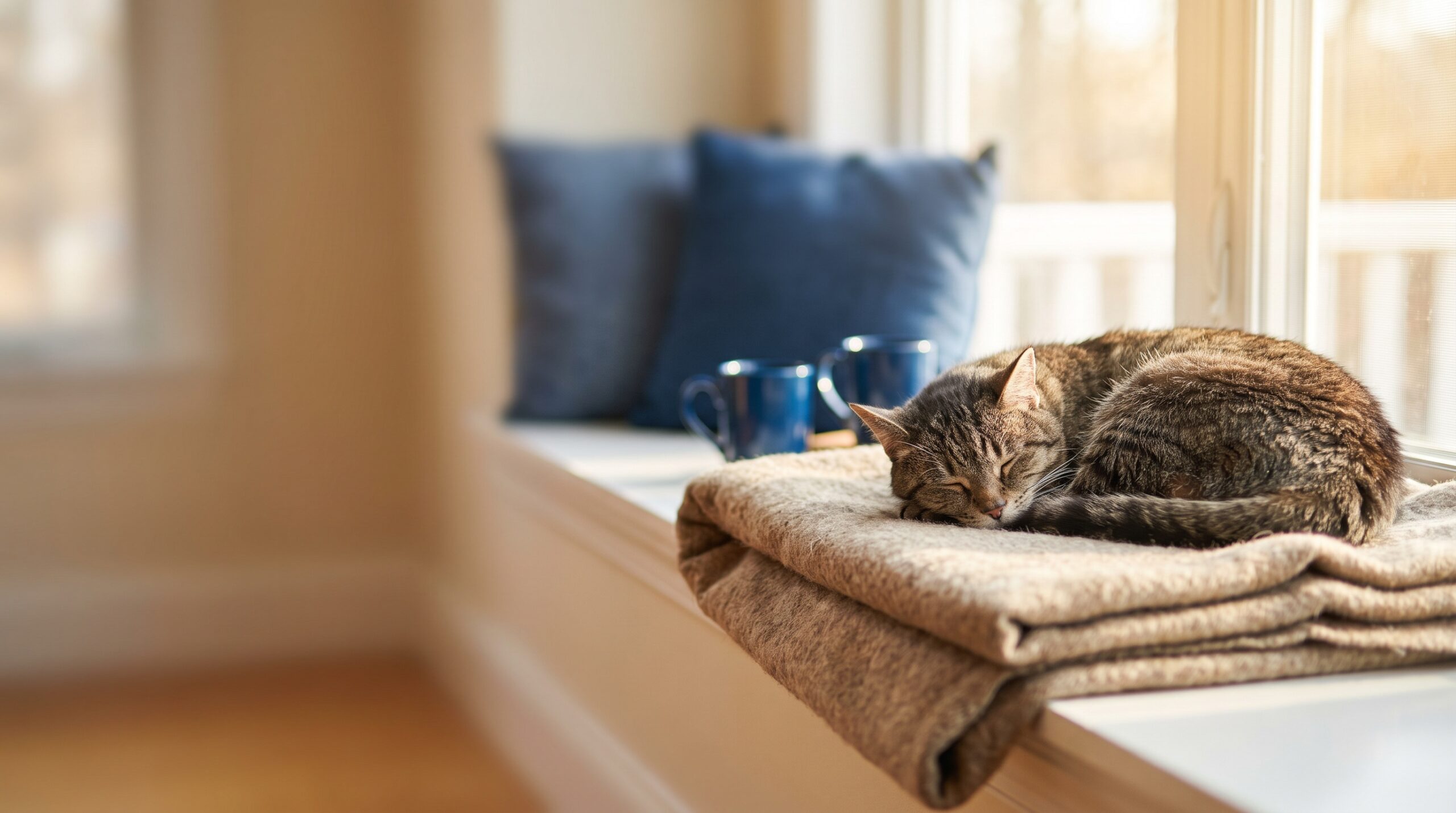
You notice it in small things. The water bowl goes down faster than it used to. The clumps in the litter box are bigger. Your cat still eats, but she is getting bonier across the shoulder blades, and at some point the jump up to the windowsill quietly stopped happening.
Here is the part most cat owners are never told: in cats, kidney change starts quietly, and a cat can look entirely well while it is already underway. That makes a senior visit something you schedule on purpose — not something you wait for a symptom to earn. Bring your cat in and we will look at her from nose to tail, run her bloodwork and urine, and sit down with you about what the numbers actually mean for her.
- Bloodwork and urinalysis run in our own laboratory
- X-ray available on site when it's needed
- Appointments are scheduled, so you are not holding a carrier in a waiting-room queue
Your Cat Can Look Completely Well and Still Be Changing
Cats are built to hide it. That is a survival trait, and it is also the hardest thing about caring for an aging cat.
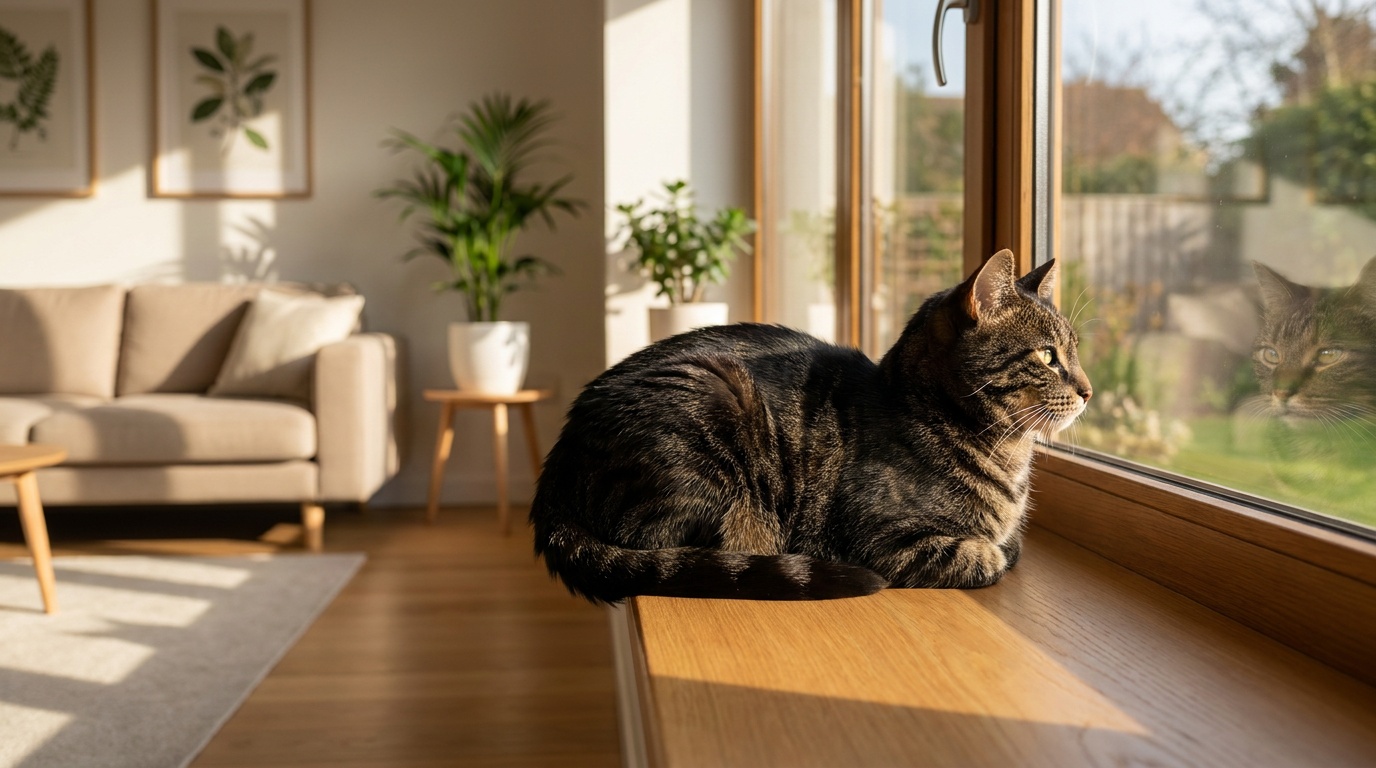
A cat who is a little quieter than she was. A cat sleeping somewhere new, lower down, out of the way. A coat that is not quite as tidy because she has stopped grooming the hard-to-reach places. A cat who no longer meets you at the door. Owners tend to file these away as personality, or just age. Very often they are clinical information, and they are worth saying out loud at an appointment.
The kidneys are the specific reason this matters so much in cats. The Cornell Feline Health Center describes chronic kidney disease as among the most prevalent diseases in older cats, notes that age is its only known risk factor, and points out that in the early stages it is very common for a cat to show no obvious clinical signs at all. Read that last part slowly, because it is the whole argument for screening: a cat who seems fine at home is not evidence that nothing is changing inside.
By the time the unmistakable signs arrive — drinking noticeably more, urinating more, weight coming off gradually, appetite dropping away, a coat that looks dull — a good deal of the quiet window has already gone past. Kidney damage does not reverse. But the disease can be managed, and what we are after is finding it while there are still more options on the table, and while your cat still feels well enough to enjoy the plan we make.
Between visits, six things are worth writing down and bringing with you: how much water she drinks, what the litter box looks like, her weight and the shape of her spine and shoulders, her appetite, how well she is grooming, and where in the house she chooses to sleep. A note on your phone is genuinely useful to us.
What the visit includes
What a Senior Cat Visit Actually Covers
Everything below is built around your cat's age and history rather than sold as a fixed package — and you are welcome to ask for an estimate when you schedule.
-
A full nose-to-tail exam
Eyes, ears, mouth, coat, lymph nodes, heart and lungs, abdomen, body condition and muscle mass. Her weight is compared against her last visit rather than just recorded, because in a cat a quiet half-pound lost over six months is a real conversation, not a rounding error.
-
Bloodwork and a urinalysis, run on site
A complete blood count, a chemistry panel including kidney values, and a urinalysis. VCA notes that urinalysis is particularly important in senior and geriatric cats because of how often kidney disease occurs in older cats — how well the kidneys are concentrating urine is part of the picture, and a blood panel on its own does not show it. Newer kidney markers can flag reduced function earlier than creatinine alone; it is a reasonable thing to ask your veterinarian about at the visit.
-
Thyroid and blood pressure where the history calls for it
An overactive thyroid is common in older cats, and VCA advises measuring thyroid hormone levels in all cats eight years and older as part of routine wellness testing. High blood pressure in cats usually shows no outward sign until it has already done damage. Both are added when your cat's history warrants it.
-
The mouth, the joints and the pain nobody sees
A dental assessment at every senior visit, because sore teeth and a fading appetite travel together in older cats. Then a hands-on comfort and mobility check — cats conceal pain even better than dogs do, so stiffness gets looked for deliberately instead of waited for.
Senior cat wellness in Flint
One Panel Is a Snapshot. Two Is a Direction.
Why we would rather draw your cat’s first baseline a year early than a year late.
Start with the mechanics, because they change what your afternoon looks like. Your cat’s sample does not go into a courier bag and off to another city. It is handled here, your veterinarian reads the results while your cat is still in the room, and you get to ask the second and third question standing there — the ones that only occur to you after the first answer — instead of on a phone call three days later.
For a cat, that matters more than it does for a dog. Everyone who lives with a cat knows the genuinely hard part of feline medicine is the carrier: getting her into it, into the car, and through the door even once. Doing the lab work during the same appointment is the difference between one trip and two.
Then the part that does the real clinical work. A single panel is a snapshot, measured against reference ranges built from cats in general. The same panel laid beside last year’s is a direction, measured against your cat. One number is a data point; two is a trend — and a trend is how gradual kidney, thyroid or liver change becomes visible while a cat still looks perfectly well on the windowsill at home.
That is why published guidance frames this around life stage rather than a birthday. The 2021 AAHA/AAFP Feline Life Stage Guidelines treat ‘senior’ as a stage assessed at each visit, and recommend senior cats be seen at least every six months, more often when there is a chronic condition. The 2021 AAFP Feline Senior Care Guidelines recommend baseline diagnostics at least annually from the mature years specifically so that later results have something to be compared against. That is the argument in one line: draw the baseline while it is boring.
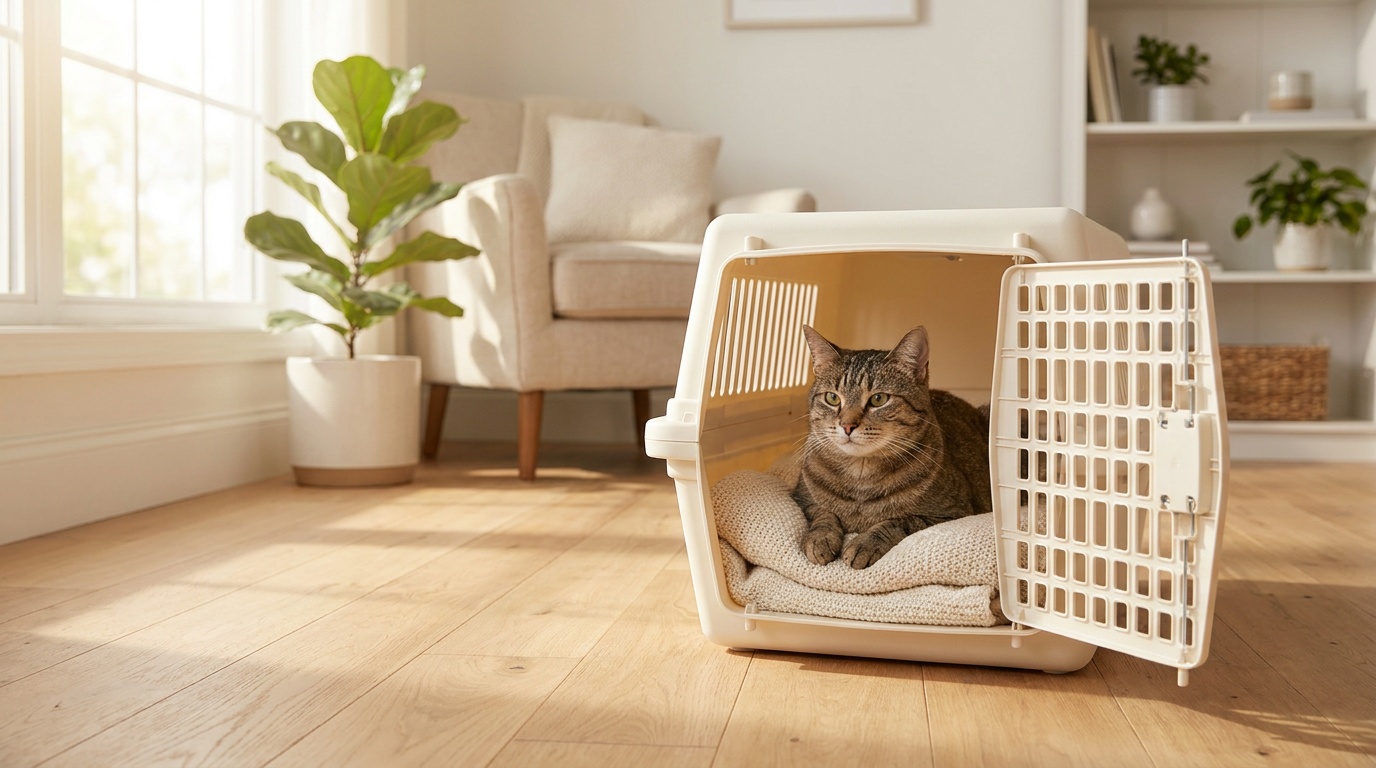
One practical thing before you come. Leave the carrier out as furniture for a few days beforehand, with a towel inside that smells like home, and drape a towel over it in the car. It will not fix every cat, but it makes the trip in considerably easier for most of them.
If Something Shows Up, Here's What Happens Next
Most people put the senior panel off because they are afraid of what it will say. That fear deserves a straight answer.
A flagged value is usually the beginning of a plan, not the end of a story. And the plan is not set once and left alone — it gets reviewed against your cat's current results, visit by visit, and adjusted as she changes.
Here is what that plan tends to be made of. A veterinary diet chosen for your individual cat rather than picked off a shelf, and introduced slowly — a safe guide to switching to a prescription diet walks through how, and nutrition counseling is where that conversation lives. Simple changes to how and where she drinks at home. Weight and muscle mass followed from visit to visit, with building a healthy at-home weigh-in routine doing a lot of quiet work in between. The mouth dealt with properly through pet dental care — and if you are wondering whether an older cat can safely be anesthetized, what a dental cleaning actually involves is the honest version. Stiff, sore joints taken seriously through pain management in Flint, MI. An older heart listened to carefully, since heart murmurs in cats and dogs are very often first picked up on an ordinary exam. And any medications or rechecks paced to what your cat's own results call for, filled through our pet pharmacy.
One firm line, said plainly because we would rather say it than imply it: things you do at home support veterinary care, they never stand in for it. Please do not start a medication, a supplement, or a diet change — including anything sold over the counter for people — before your cat has been examined. An aging cat's kidneys and liver handle drugs differently than a younger cat's do, and a dose that is unremarkable in a five-year-old can be a problem in a fifteen-year-old.
This visit is one piece of a longer programme of senior pet care in Flint, MI. If there is also an older dog in the house, senior dog wellness exams in Flint covers the same ground on his side of it.